
How to Reattach Garage Door Cable: Expert Tips for Quick Repair
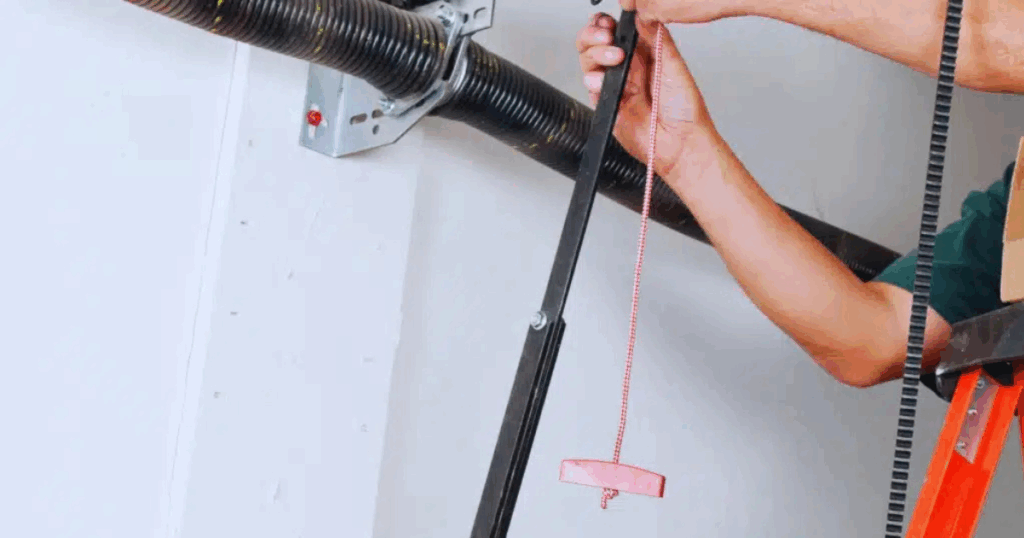
When you’re looking to learn how to reattach garage door cable, it’s crucial to approach the task with care and attention. Cables can become loose or disconnected due to wear, impact, or improper adjustments. By understanding the process, you can ensure safety and efficiency, preventing additional issues that could further damage the garage door system. Garage doors are vital for home security and daily convenience, so any malfunction can be a major disruption. A detached cable often indicates an underlying issue, but reattaching it correctly can restore the door’s smooth operation. With the right tools and following a detailed step-by-step process, you can confidently fix the problem and protect your home. Understanding Garage Door Cables Garage door cables are crucial components that help lift and lower the door smoothly. They work together with the springs to evenly distribute the door’s weight, ensuring smooth and efficient operation. Understanding their function can aid in diagnosing issues and implementing reattachments properly. These cables are typically made of strong, high-tensile steel, designed to withstand the door’s weight and the forces exerted during operation. They run through a system of pulleys and drums, connecting to the bottom brackets of the garage door. Knowing the layout and function of these cables is key to effective maintenance and repair. Wear and tear over time can lead to cable detachment or damage. Common signs of cable issues include uneven door operation, visible fraying, or a door that is difficult to open or close. Regular inspection can help identify potential problems early, reducing the risk of sudden failures. Common Reasons for Cable Detachment Several factors can cause garage door cables to detach. Understanding these causes can help in preventive maintenance and timely garage door repairs. Here are some common reasons: By identifying these causes, homeowners can implement measures to prevent detachment and ensure the longevity of their garage door cables. Safety Precautions Before Starting the Repair When handling garage door cables, safety should always be the highest priority. The tension in these cables can be dangerous, and proper precautions must be taken. Here are some essential safety tips: 1. Disconnect Power Be sure to disconnect the garage door opener from the power source before beginning the repair. This ensures the door won’t accidentally activate while you’re working, preventing unexpected movements. 2. Use Protective Gear Wear safety glasses and gloves during the repair. This protects you from potential injuries caused by snapping cables or falling debris that might occur. 3. Secure the Door Before beginning, make sure the garage door is fully closed and locked. This will keep it from moving unexpectedly, reducing the risk of injury. 4. Use Caution with Springs Garage door springs are tightly wound and can pose a serious risk if not handled properly. Handle them carefully and avoid unnecessary pressure to prevent injury or damage to the system. 5. Have a Partner If possible, have someone help you during the repair. A partner can assist with tools, support, and managing tasks, ensuring the repair goes smoothly and safely. By following these safety measures, the risk of injury can be significantly reduced, allowing for a safe and effective garage door repair process. Tools Required for Reattaching Garage Door Cables It’s essential to have the proper tools available to reattach garage door cables effectively. Here is a list of tools commonly needed for this task: Having these tools ready allows you to approach the repair with both confidence and accuracy. Step-by-Step Guide on How to Reattach Garage Door Cable Reattaching a garage door cable may seem tricky, but with the right steps, it can be done safely and effectively. Here’s an easy guide to ensure you complete the task correctly. Step 1. Identify the Problem Start by inspecting the garage door system to find where the cable has detached. Look for any visible damage, such as worn-out cables or broken pulleys, that may need attention. Step 2. Secure the Door Before you begin, make sure the door is fully closed and locked in place. Use clamps or locking pliers to secure the door, preventing any unexpected movement while you’re working. Step 3. Release Tension Release the tension in the springs carefully using a winding bar or similar tool. This step is crucial to avoid injury and ensure the system is safe to work with during the repair. Step 4. Reattach the Cable Guide the cable through the pulleys and firmly secure it to the bottom bracket. Make sure it’s seated properly in the drum, and ensure it’s tightly in place to avoid future issues. Step 5. Tighten and Test Once the cable is reattached, reapply tension to the springs and carefully test the door’s movement. Make sure the door moves smoothly and is properly balanced, which shows the cable has been installed correctly. Reattaching a garage door cable demands careful attention and patience to guarantee it operates safely and efficiently. By following this step-by-step guide on how to reattach garage door cable, you will have your garage door operating like new in no time. Troubleshooting Common Issues During Repair During the garage door repair process, you may encounter some common issues. Here are solutions to address these challenges: Tackling these problems quickly can help avoid additional damage and keep the garage door running smoothly. Preventative Maintenance Tips for Garage Door Cables Regular maintenance is key to keeping your garage door cables in top shape. Proper care can help extend their lifespan and prevent unexpected detachment. Here’s how you can maintain your garage door cables effectively. 1. Inspect Regularly Check cables for wear, fraying, or damage. Replace them immediately to prevent further damage and ensure your garage door system operates smoothly. 2. Lubricate Moving Parts Use silicone-based lubricant on pulleys, hinges, and springs. This reduces friction, prevents wear, and ensures smooth, quiet operation of your garage door. 3. Balance the Door Disconnect the opener and manually operate the door to check the balance. If it moves unevenly, it may need adjustment to avoid strain on the cables.